







For shipments to Alaska, Hawaii, or orders with multiple quantities,
please contact us directly for discounted shipping rates.
Gasket Material Comparison Guide
Choosing the right gasket material is essential for performance, safety, and longevity in your sanitary process system. Below is a clear comparison of the most common options.
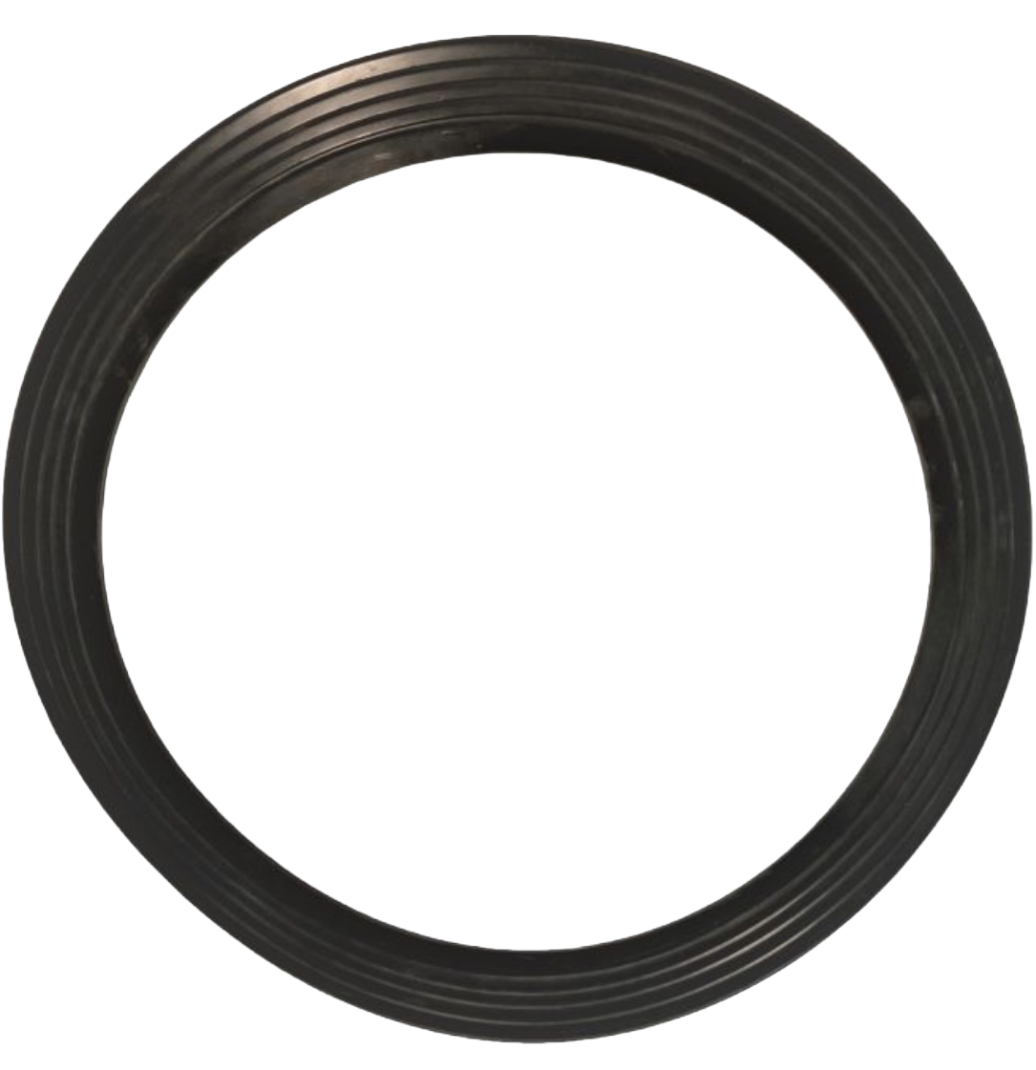
EPDM gaskets offer an excellent balance of performance and value. With a temperature range of -30°F to 300°F, they provide strong resistance to acids and caustics, making them a top choice for commercial brewing and many home brewery applications. They are relatively soft, easy to seal, and highly abrasion-resistant. EPDM is widely considered the best all-around material for most applications (as long as they are not exposed to direct flame or extreme heat).
PTFE (Teflon) gaskets deliver the widest temperature range (-100°F to 500°F) and outstanding chemical resistance. Their harder composition makes them ideal for applications involving rotation, such as racking arms.
Silicone gaskets feature a broad temperature range of -58°F to 446°F, making them highly versatile and especially well-suited for high-heat areas or near flame/heat-wash cycles. They are very flexible and soft, which makes them easy to install and seal. Over time in commercial use with strong acids or caustics, they may degrade or become gummy.
BUNA-N (Nitrile) gaskets perform well in moderate conditions with a temperature range of -30°F to 200°F. They seal effectively and remain flexible across their range but are not recommended for strong acids, caustics, or prolonged UV exposure (which can cause oxidation). These low-cost gaskets are a great disposable option for the fermentation side of brewing.
Viton (FKM) gaskets provide superior resistance to oils, fats, and fuels while maintaining good compatibility with acids and alkalis. They perform well in biodiesel and similar applications but are not considered food-safe. They can swell when exposed to certain acids (nitric, formic, peracetic) and may weaken with strong caustics. Temperature range: -25°F to 400°F.